- Welcome Guest
- Sign In
- Welcome Guest
- Sign In

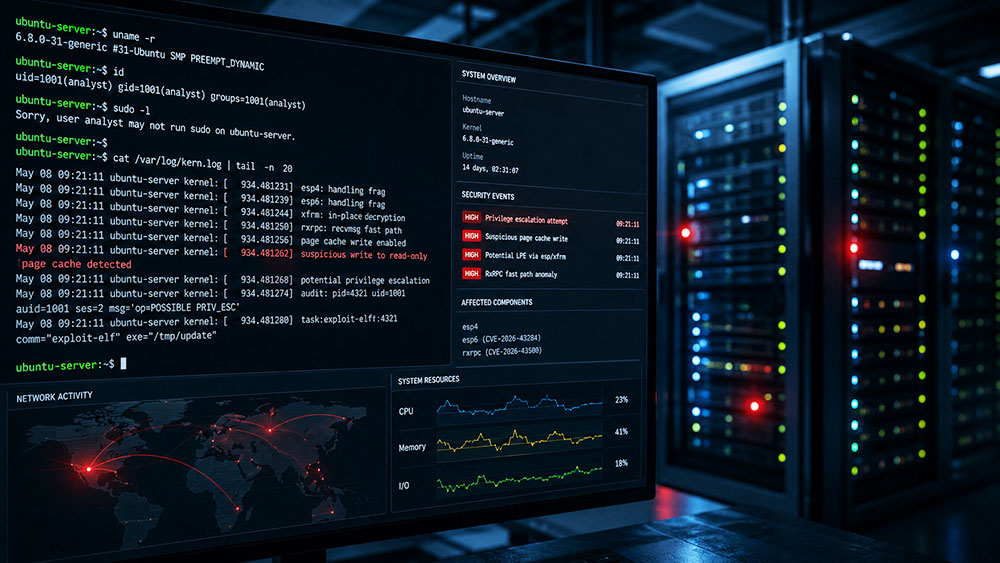
Two malware campaigns weaponize open-source software to target executives and cloud systems, combining social engineering with fileless and kernel-level attack techniques.

Token Security’s open-source AI Privilege Guardian is designed to help CISOs right-size agent permissions and reduce machine-speed attack risk.

Linux doesn’t hide the system behind guardrails. Here’s why its freedom, flexibility, and control still outclass the mainstream desktop OSes.

Percona is refocusing on fast, structured database services to help enterprises overcome talent shortages, improve performance, and prepare open-source data platforms for AI readiness.

Open source enters 2026 as core enterprise infrastructure, with growing pressure around sustainability, governance, funding, and licensing shaping its future.
Explainable AI agents can now troubleshoot Kubernetes using governed tools, observability, and human approval, making automation viable in production environments.

Wind River’s latest partnership with ServiceNow brings AI workloads back under enterprise control by enabling on-prem deployment of the ServiceNow AI Platform.

Red Hat has become a foundational player in enterprise AI by combining open-source infrastructure with hybrid cloud flexibility, maintaining independence while leveraging IBM’s global scale.

Ransomware gangs are exploiting AdaptixC2, an open-source command-and-control framework originally built for red team testing, to support stealthy post-exploitation operations.

A coalition of open-source stewards warns that the software industry’s reliance on goodwill to maintain critical infrastructure is unsustainable, despite open source fueling trillions in global economic value.

The Linux Foundation has launched its third major agentic AI initiative in three months, designed to secure communication, enhance interoperability, and drive open-source innovation in multi-agent environments.

TuxCare Radar is an in-memory CVE scanner that reduces false positives, speeds compliance, and delivers real-time Linux vulnerability detection.

Linux patch delays leave enterprises exposed to long-standing vulnerabilities. Experts warn automation and consistent management are essential to closing this critical security gap.

Linux is making real gains on the desktop. New data shows its market share passing 5% in the U.S., signaling a long-awaited breakthrough.

Open-source systems are adopting live patching and isolation technologies to support always-on security and meet enterprise compliance demands in the cloud.
 Loading ...